
Oshawa neighbourhood guide

Central

Central is the TRREB name for downtown Oshawa and the grid of old streets between King Street and the 401. This is where the city began: the Kingston Road crossed Simcoe Street here, the McLaughlin carriage works and later General Motors drew workers into rows of small brick and frame houses, and the four corners at King and Simcoe carried the banks, theatres and department stores until the malls arrived. Today the core holds City Hall, the Tribute Communities Centre where the Generals play, the restored Regent Theatre, and the art gallery and main library branch beside City Hall, plus the Ontario Tech downtown buildings and the Bond Street bus terminal a block or two north. The streets south of the core, Albert, Celina, Olive, Ritson and their neighbours, are workers' housing from the 1880s to the 1940s, much of it divided into apartments over the years, mixed with walk-ups, a few towers and small townhouse rows. Residents range from long-time owners to students, renters, newcomers and buyers priced out of the north end who want a lot, a porch and a walk to everything. It is the most urban address in Durham Region, with everything that brings.

Central homes by the numbers

Live from the MLS® feed · updated October 8, 2026

50 For sale now
24 New in 30 days
$534,999 Median asking price Middle half $452K to $606K
$461 Asking price per sq ft
34 days Median days listed
11% Listings with a price cut Median cut 5.7%

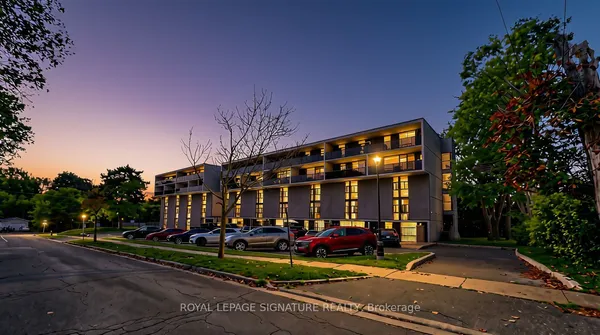
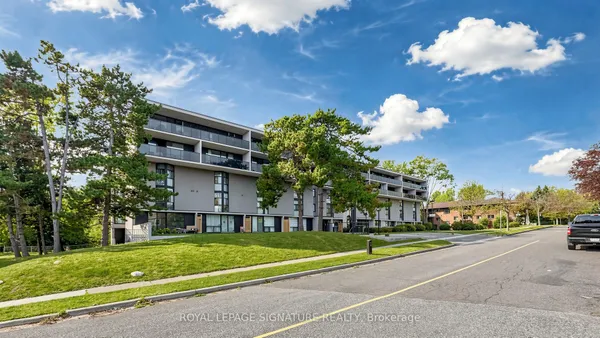
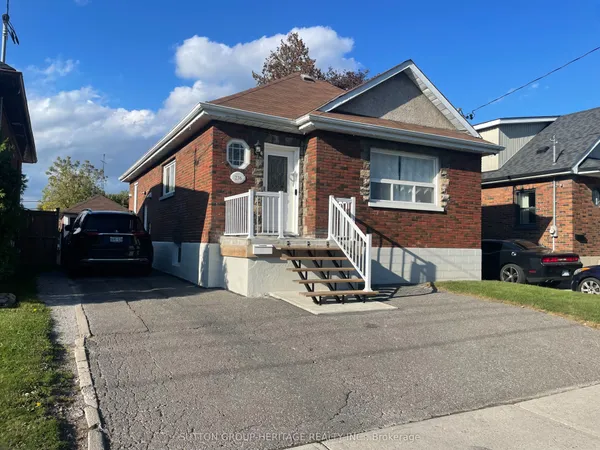
What is for sale: 38 detached homes · 9 townhouses · 3 condos

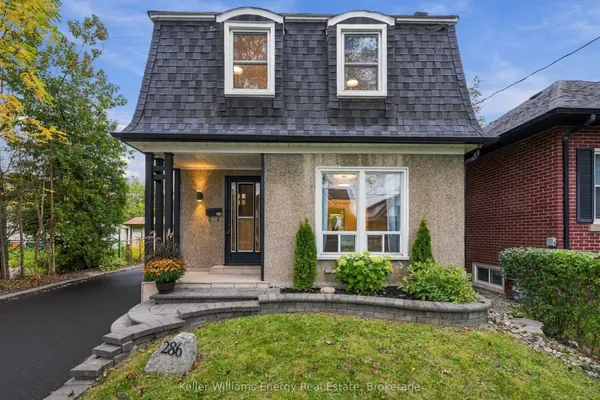
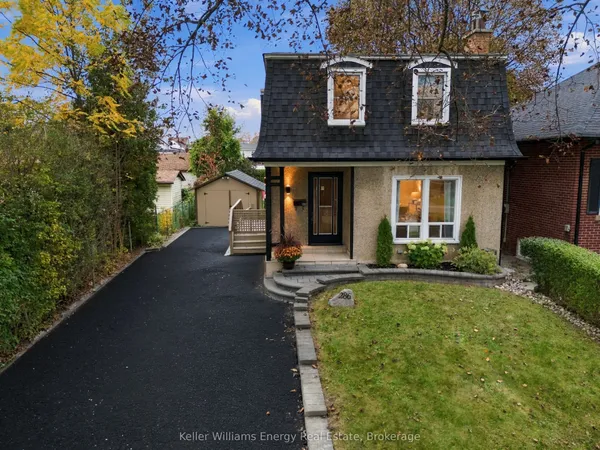
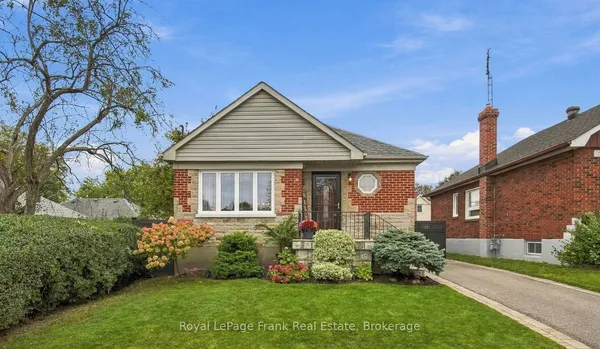
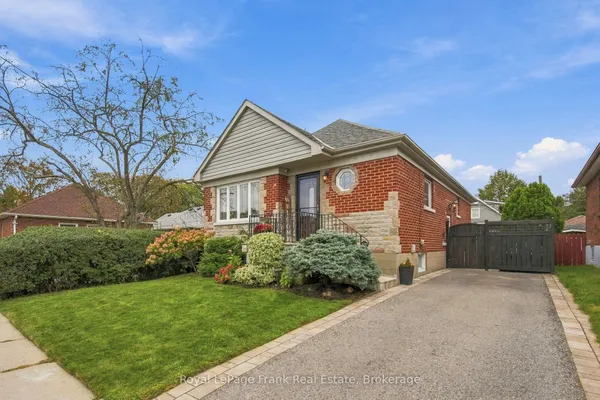
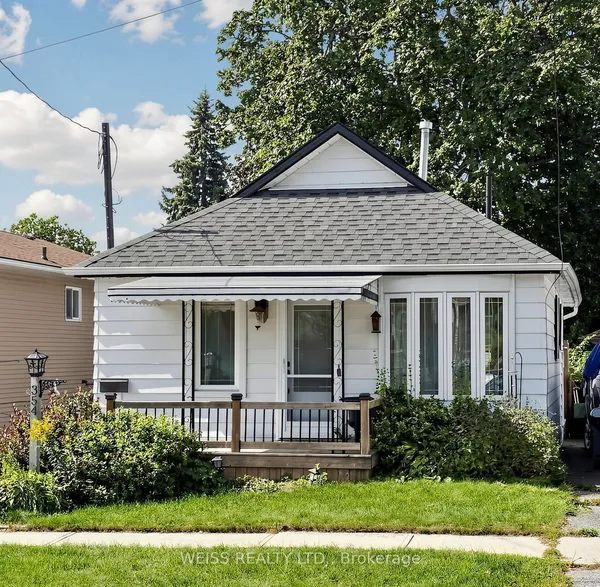
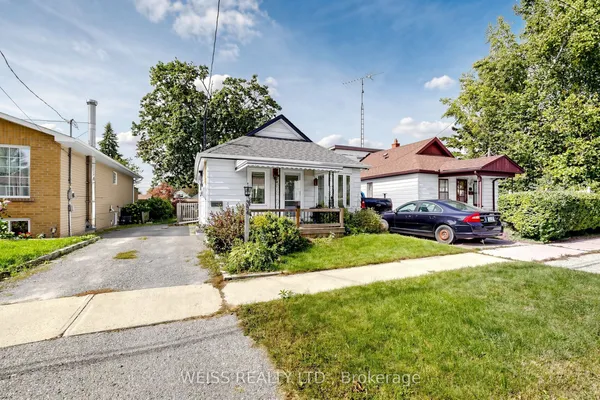
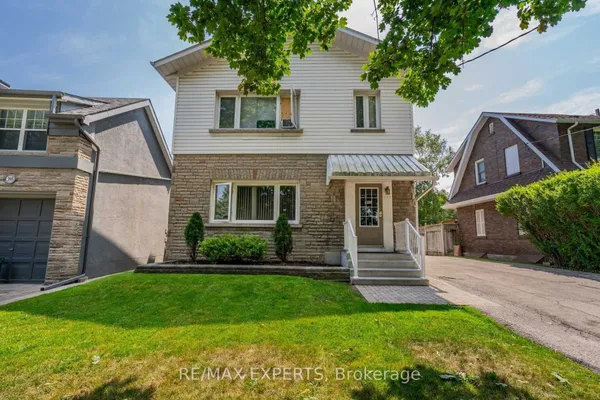
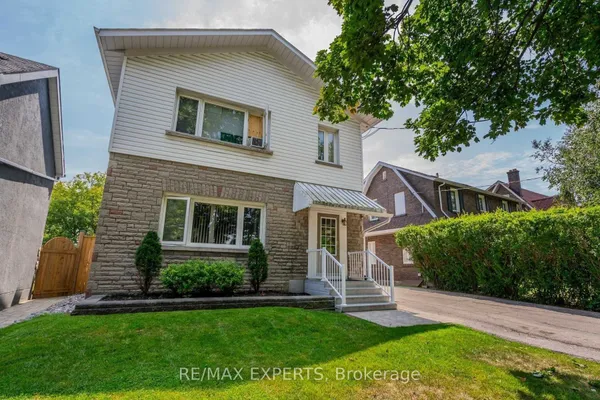
Newest Central homes for sale

See all 61 listings

New Central homes for sale land here first. Save this search and we email you the moment one is listed.

Where Central sits

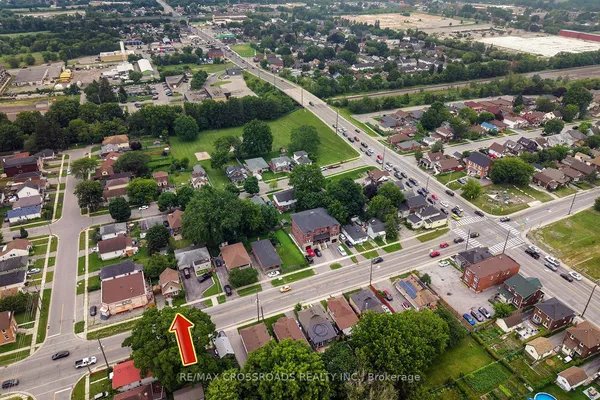
Central is downtown Oshawa and the older streets south of it. The City's community map has it running from King Street south to Bloor Street and the Highway 401 corridor, with Oshawa Creek on the west and Wilson Road South on the east, which takes in Simcoe Street South, Ritson Road South, Albert Street, Olive Avenue and the lands beside the CP tracks where Metrolinx plans its Central Oshawa stop. The blocks north of King, including Bond Street, the bus terminal and the university's downtown halls, fall on the O'Neill side of that line even though everyone calls them downtown, so read the northern edge as roughly drawn.

The homes you will find

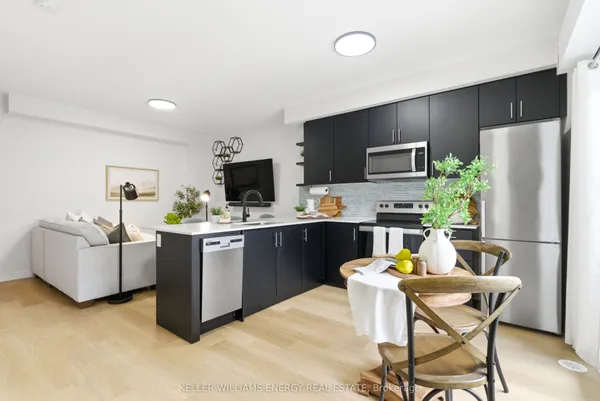
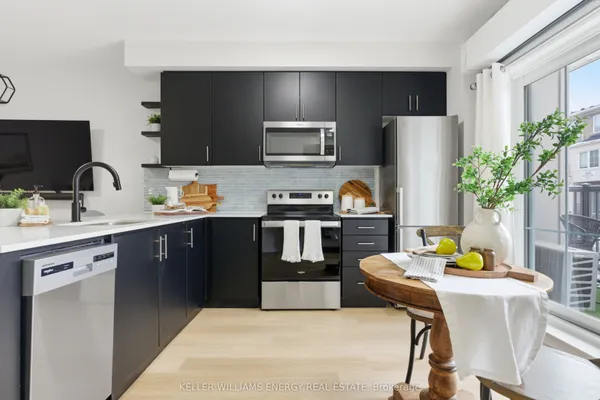
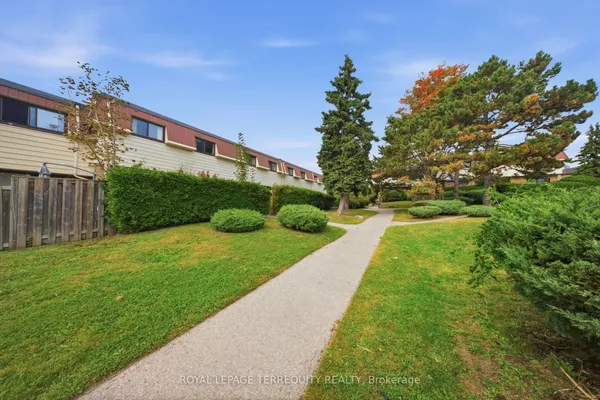
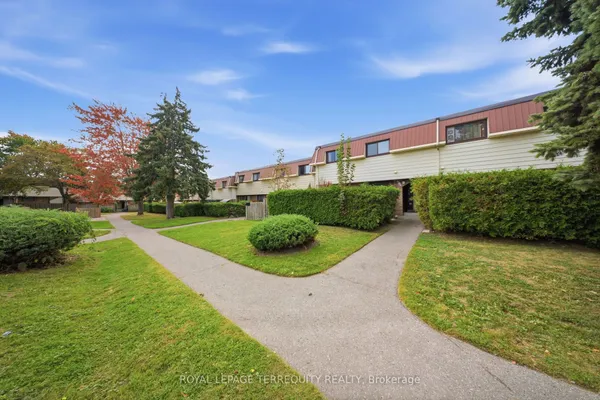
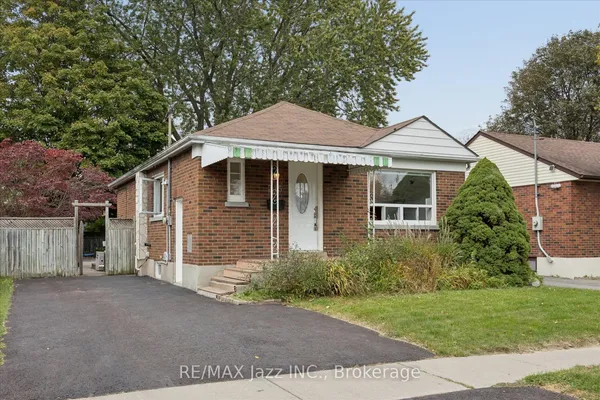
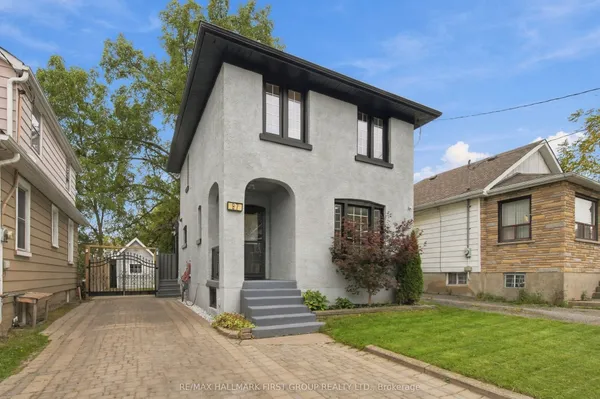
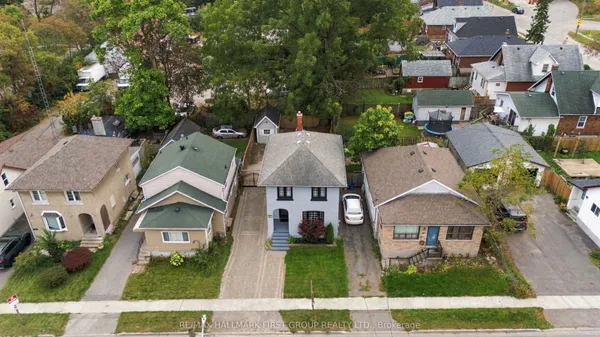
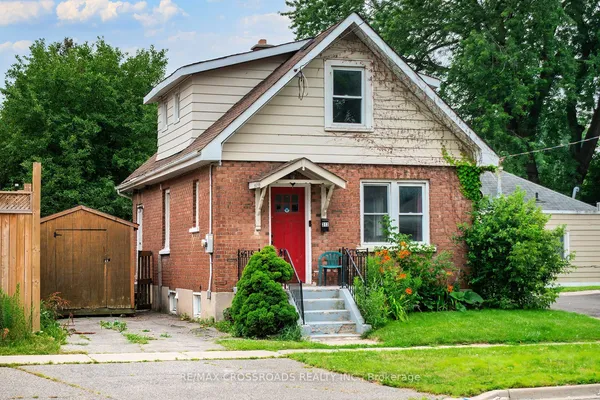
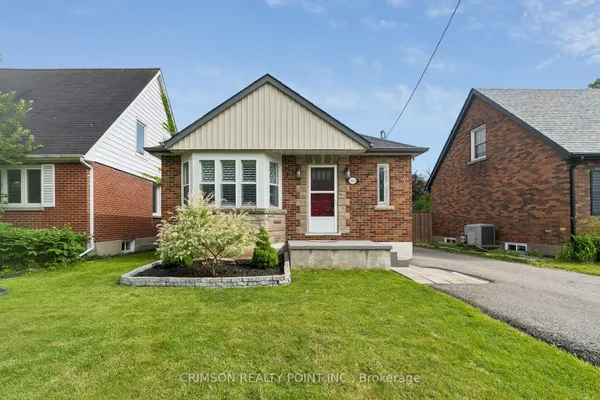
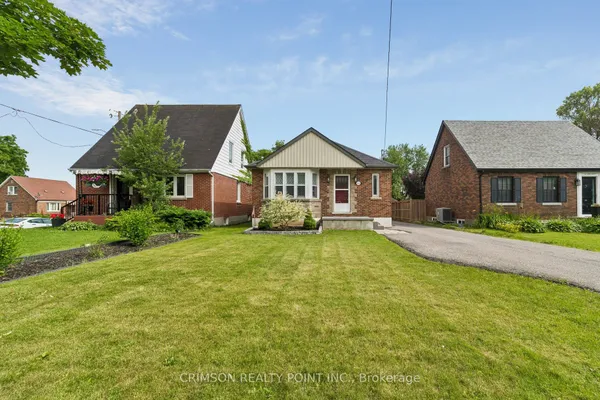
Most of Central's houses predate the Second World War. Closest to the core, on Centre, Church, Elgin, Athol, Colborne and William streets, are Victorian and Edwardian houses in brick and frame, some grand, more of them modest, many now holding two or three units or a ground-floor office. South of John Street the pattern shifts to the small workers' houses of the McLaughlin and early GM years: storey-and-a-half or two-storey frame and brick houses on 30 to 40 foot lots along Albert, Celina, Olive and Nassau and east of Ritson, with 1940s wartime houses filling in toward Bloor. Townhouses are scarce and mostly infill: 1970s and 1980s freehold rows near Olive Avenue and Wilson Road South, and newer stacked or three-storey rows on former industrial or church sites. Above the houses stand 1960s and 1970s apartment slabs on Simcoe South and Bloor East and a growing set of mid-rise condominium and purpose-built rental buildings downtown, with more approved. Detached garages, shared driveways and street parking are normal; attached garages are rare.

Getting around

Nowhere in Durham is transit thicker. The Bond Street terminal is the meeting point for the PULSE lines run by Durham Region Transit: the 900 arrives along King Street from Whitby, Pickering and Scarborough, the 901 runs up Simcoe Street from the lakefront park to the university, and the 902 follows King east to Courtice and Bowmanville, with local routes on Ritson, Olive and Wilson. The GO station on Bloor West at Thornton takes around five minutes by car and not much longer by bus, and the Central Oshawa station Metrolinx has proposed on the CP line between Simcoe and Ritson, tied to downtown by the Michael Starr Trail, would bring trains to walking distance for the southern streets once the Bowmanville extension is built. Highway 401 ramps at Simcoe and at Ritson are minutes away. Downtown itself is fully walkable, with sidewalks everywhere, bike lanes on some streets and the creek path a few blocks west.

Schools

Public elementary students in Central are generally mapped to Ritson Public School, Dr. S.J. Phillips north of the core, or David Bouchard near Wilson Road, all DDSB, and high school is reportedly O'Neill Collegiate for most blocks, with G.L. Roberts for some southern ones. The Catholic board, DCDSB, operates St. Hedwig on Olive Avenue, and its high school for this part of the city is Monsignor John Pereyma, south of the 401. French-language families have Antonine-Maillet (Viamonde) in McLaughlin and Corpus-Christi (MonAvenir) in Vanier, both a short bus ride west. Every board redraws attendance areas now and then, so ask each one before you commit to a house. Ontario Tech's downtown campus is on Bond and Charles streets, Trent's Durham campus is in Vanier, and the joint college and university campus on Simcoe North is a direct ride up the 901.

Parks, shopping and daily life

Memorial Park on Simcoe Street South, with the 1942 McLaughlin Bandshell, is the community's front lawn and the site of summer concerts and the Remembrance Day service. Bathe Park serves the streets east of Ritson, smaller parkettes fill gaps between the old lots, and the Oshawa Creek path and the Botanical Gardens are a few blocks west of the core. Downtown has the Regent Theatre, the gallery, the arena and a restaurant and bar scene that has grown with the university, and a farmers' market reportedly sets up downtown in season. Groceries mean the Simcoe Street South and King Street plazas, with the Oshawa Centre one bus west and big-box stores where Ritson meets the highway. Lakeridge Health Oshawa stands at the north end of Simcoe within walking distance. The trade-off is that downtown also carries the region's social services, shelters and supportive housing, so some blocks are livelier and rougher than others; walk a street in the morning and again after dark before you buy.

Who it suits

Central suits buyers who want an old house they can walk from, who value transit, restaurants and the arena over a two-car garage, and who are prepared to renovate. First-time buyers, investors adding legal units, students and staff at the downtown campus, and tradespeople who like a workshop in a detached garage all find their way here. It will disappoint anyone hoping for a quiet cul-de-sac, new construction with a warranty, or predictable neighbours; parking is tight, some streets have visible street-level problems, and insurance and inspection findings on century houses can surprise people. Buy the block, not just the house.

Questions people ask about Central

How would I commute from Central to Toronto?

Drive five minutes to the GO station at Thornton and Bloor for Lakeshore East service, or ride the 902 or 403 there from the terminal. The 401 is a few minutes away at Simcoe or Ritson. The GO station proposed for the CP line at Simcoe and Ritson, part of the Bowmanville extension, would cut that to a walk for the southern streets, though its opening date keeps moving.

Which schools serve downtown Oshawa?

Ritson, Dr. S.J. Phillips and David Bouchard public schools cover most streets, with O'Neill Collegiate as the usual high school and G.L. Roberts for some southern blocks. Catholic students go to St. Hedwig and then Monsignor John Pereyma. The boards revise their maps, so check which schools a given address is mapped to rather than trusting the neighbourhood.

Is Central a safe place to buy?

It is uneven. The core deals with the region's homelessness and addiction services, and a few blocks around Simcoe South and the terminal see more incidents and loitering than the residential streets a few hundred metres away. Most residents report ordinary city life on their own street. Visit at night and on a weekend, talk to neighbours, and check the Durham police crime map for the block.

Are there many rentals and student tenants downtown?

Yes. Old houses have been split into apartments for decades, the towers on Simcoe South and Bloor are largely rental, and the downtown campus fills basement suites and rooms. That supports investors and keeps shops open, but an owner-occupier should ask how a particular street feels in September. Confirm that any second unit was permitted before counting its income.

What is planned for downtown in the next few years?

The City's official plan targets downtown as its urban growth centre, so expect more mid-rise and tall buildings along Simcoe, King and Bond, continued campus growth around Bond and Charles streets, and the transportation hub around the future GO station south of Bloor. Construction and taller neighbours are part of the bargain for anyone buying a house close to the core.

Sources: oshawa.ca · oshawa.ca · oshawa.ca · oshawa.ca · oshawa.ca · metrolinx.com