


Durham Region

Durham Region Real Estate

Durham Region is the east end of the Greater Toronto Area: eight municipalities that run from the Pickering line with Scarborough to the Clarington border at Highways 35 and 115, and north from Lake Ontario across the Oak Ridges Moraine to the shore of Lake Simcoe. The five lakeshore municipalities, Pickering, Ajax, Whitby, Oshawa and Clarington, hold most of the population and every GO train station in the region. The three northern townships, Uxbridge, Scugog and Brock, are farm and forest country with one main town apiece. Randy and Alexander Miller cover the whole region from Urban Avenue Realty's office in Ajax, and this page is where a search starts. Each city hub below explains how that municipality is laid out, what its housing stock is like and how residents get to work. The neighbourhood guides go a level deeper, the home-type pages sort listings by what you want to own, and the selling pages cover the questions that come up before a listing agreement is signed.

The cities of Durham Region Real Estate

CityFor saleNew in 30 daysMedian asking
Whitby 436 267 $948,950
Oshawa 660 363 $715,000
Ajax 302 179 $869,900
Pickering 427 249 $899,900
Clarington 486 313 $787,450
Uxbridge 116 63 $1,289,500
Scugog 151 77 $1,049,000
Brock 115 53 $789,000

Live from the MLS® feed. Based on information from the Toronto Regional Real Estate Board.

Eight municipalities, two very different halves

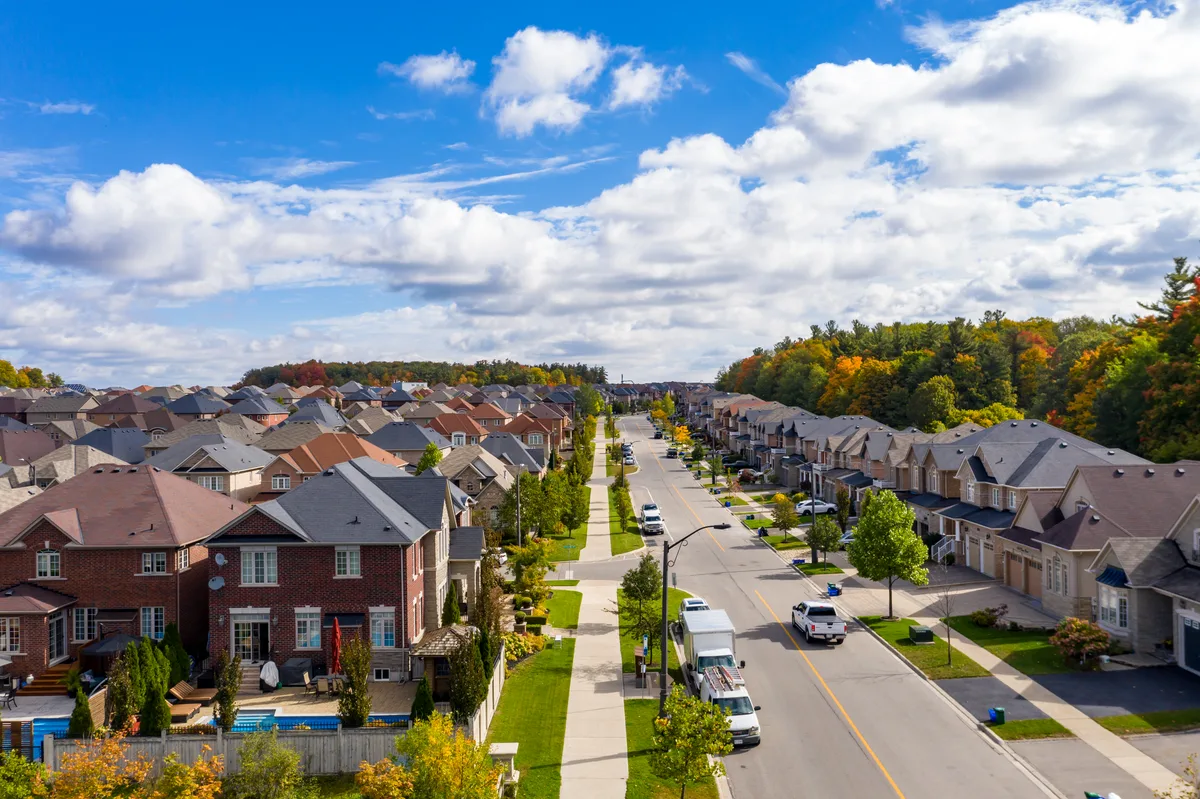
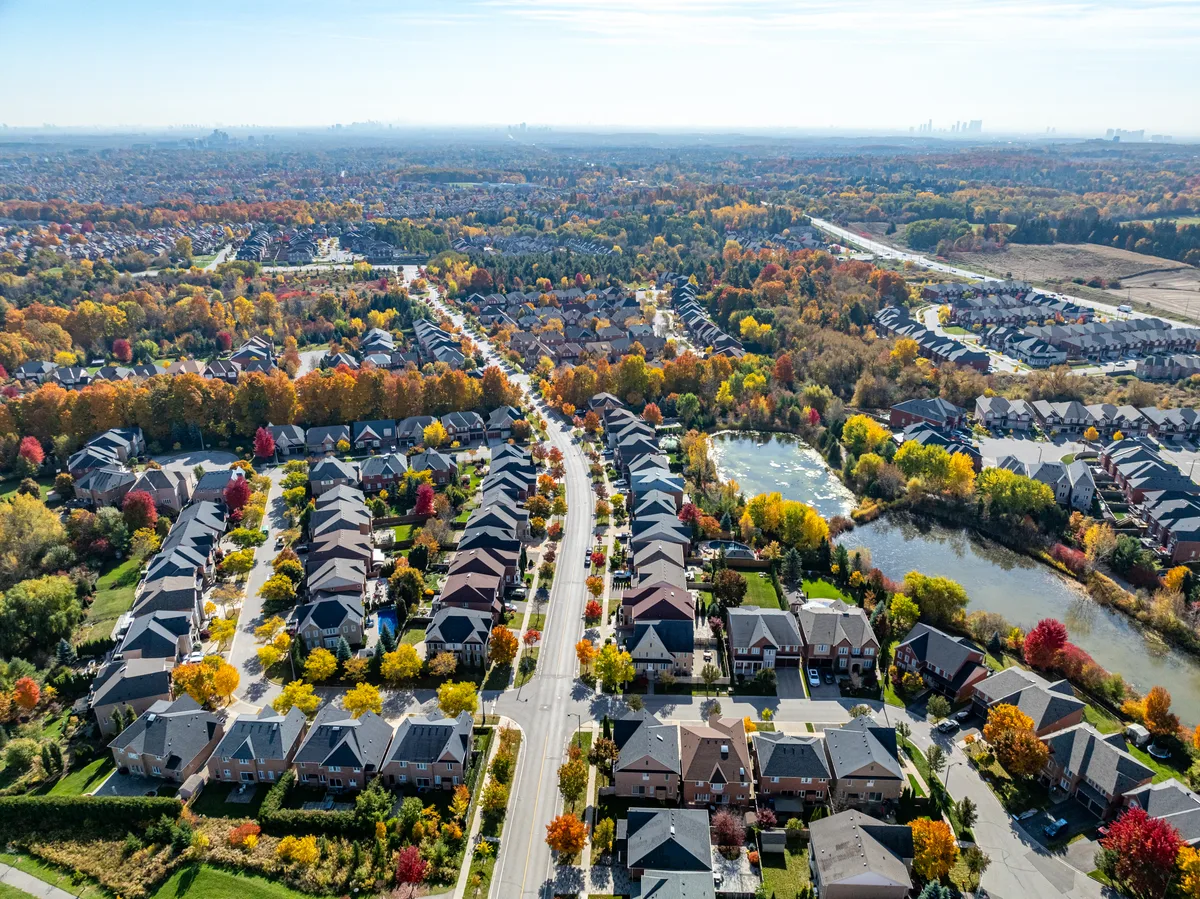
Durham was created in 1974 and its regional headquarters sit in Whitby. Along the lake, Pickering and Ajax are the closest to Toronto and the most tied to it; Whitby and Oshawa form the middle, with Oshawa the largest city and the region's university and hospital hub; Clarington on the east is the fastest-changing of the five, with a new GO line being built to reach Courtice and Bowmanville. Cross Taunton Road and then the moraine and the character changes completely. Uxbridge is a trail town on rolling forest, Scugog is Port Perry and the shore of Lake Scugog, and Brock is farmland ending at Lake Simcoe in Beaverton. In the north, most homes sit on wells and septic systems outside the main towns, lots are measured in acres, and conservation plans for the moraine and the Greenbelt shape what can be built. Buyers who want a GO train, sidewalks and a Costco stay south; buyers who want quiet and land go north.

Commuting: GO trains, the 401 and the 407 network

GO's Lakeshore East line stops at Pickering, Ajax, Whitby and Oshawa, running local trains about every 15 minutes on weekdays and every half hour on weekends as of this writing. The Bowmanville extension adds four stations east of Oshawa, Thornton's Corners East, Ritson Road, Courtice and Bowmanville, along the CP Belleville corridor; construction reportedly started in January 2026 and no opening date has been published. Highway 401 runs the full width of the region. The provincially owned section of Highway 407 begins east of Brock Road in Pickering and reaches Highways 35 and 115 in Clarington, with the last stretch opened on December 9, 2019; the province reportedly removed its tolls on that section on June 1, 2025. The two north-south links, Highway 412 in Whitby and Highway 418 in Clarington, have been toll-free since April 5, 2022. North of the 407, Highway 12 and Highway 7 carry Brooklin, Port Perry, Sunderland and Beaverton traffic, and Durham Region Transit fills the gaps with PULSE routes on Highway 2, Simcoe Street, Taunton and Rossland plus On Demand service in the rural areas.

Where people work

Two nuclear stations anchor the region's payroll. Darlington in Clarington runs four CANDU units, produces about a fifth of Ontario's electricity and finished a decade-long refurbishment in early 2026; beside it, construction of the first BWRX-300 small modular reactor started in May 2025 with the unit expected around 2030. Pickering's four remaining units are slated for a refurbishment that the province approved in January 2024 and expects to complete by the mid-2030s. General Motors resumed truck assembly in Oshawa in November 2021. Ontario Tech University, founded in 2002, shares a north Oshawa campus with Durham College and offers the country's only undergraduate nuclear engineering degree; Trent University Durham has a campus in the city as well. Lakeridge Health, the Durham District School Board and the Region itself are among the biggest employers, and a large share of residents still ride the train or the 401 into Toronto every day. That commuter pattern is why homes near the four GO stations attract a distinct buyer.

Schools, hospitals and how to use this site

Seven of the eight municipalities are served by Durham District School Board (DDSB, offices in Whitby) and by Durham Catholic District School Board (DCDSB, offices in Oshawa). Clarington is the exception: its public schools belong to the Kawartha Pine Ridge public board and its Catholic schools to the PVNC Catholic board, Peterborough Victoria Northumberland and Clarington, both run from Peterborough. French-language schools come from Conseil scolaire Viamonde and MonAvenir. Every board draws its own boundaries and revises them as subdivisions open, so run the exact address past the board before you commit. Lakeridge Health runs the hospitals: Oshawa carries the specialist and cancer services, Ajax Pickering and Bowmanville are acute hospitals with emergency departments, Port Perry is a smaller acute site and Whitby is a specialty hospital. To use this site, open a city hub, then a neighbourhood guide, then a home-type page such as detached or townhouse to see what is listed there. Sellers should start on the selling pages, where the Miller team explains pricing, costs and timing for each city.

Questions people ask about Durham Region Real Estate

Which Durham municipalities have a GO train station?

Four today: Pickering, Ajax, Whitby and Oshawa, all on the Lakeshore East line. Clarington will get Courtice and Bowmanville stations, plus Ritson Road and Thornton's Corners East in Oshawa, once the Bowmanville extension is finished; Metrolinx has not published an in-service date. Uxbridge, Scugog and Brock rely on GO buses and Durham Region Transit.

Do you pay tolls on the 407 in Durham?

The privately run 407 ETR ends at Brock Road in Pickering. East of that point the highway is provincially owned, and the province reportedly stopped tolling it on June 1, 2025. Highways 412 and 418, the two connectors down to the 401, became free on April 5, 2022. Confirm current tolling with the Ontario Ministry of Transportation before budgeting a commute.

Which school boards cover Durham Region?

Pickering, Ajax, Whitby, Oshawa, Uxbridge, Scugog and Brock fall under DDSB for public schools and DCDSB for Catholic schools. Clarington belongs instead to the Kawartha Pine Ridge public board and the PVNC Catholic board, both administered from Peterborough. Conseil scolaire Viamonde and MonAvenir run the French-language schools across the region. Boundaries shift as new subdivisions open, so verify by address.

Where are the hospitals in Durham?

Lakeridge Health operates five sites: Oshawa, the regional centre with the highest-acuity care, Ajax Pickering and Bowmanville with full emergency departments, Port Perry as a small acute hospital for the north, and Whitby as a specialty hospital. Uxbridge has a small cottage hospital affiliated with the Markham Stouffville hospital, and Brock residents generally travel to Port Perry or Orillia for emergency care.

How different is living north of the moraine from living along the lake?

Substantially. South of Taunton Road you get municipal water and sewers, GO trains, big-box shopping and subdivisions built from the 1950s to today. In Uxbridge, Scugog and Brock most homes outside the main towns use wells and septic systems, the Oak Ridges Moraine and Greenbelt plans restrict severances and new builds, internet can be rural-grade, and the daily drive is on two-lane highways.